If you check my post from a year ago, you can see that the organizer, Satoko Morimoto, goes all out.
A lot of popular shops came, and this year was much more organized than the year before. The problems of insane, four hour lines was fixed by having more shops and more days.
What up Tsukada-san!
新旬屋 麺
Shinshuya Men from Yamagata Prefecture.
角栄
Kakua from Shinjuku, Tokyo.
中華そば すずらん
Suzuran in Ebisu, Tokyo.
Hulu-lu in Ikebukuro, Tokyo.
ほうきぼし
Hokuboshi in Tokyo.
The above "bowls" are actually ramen cakes, made custom to mimic the real ones.
Japan has more and more food festivals each year. If you go with a group, it's a fun way to sample a dozen or so bowls in one sitting.
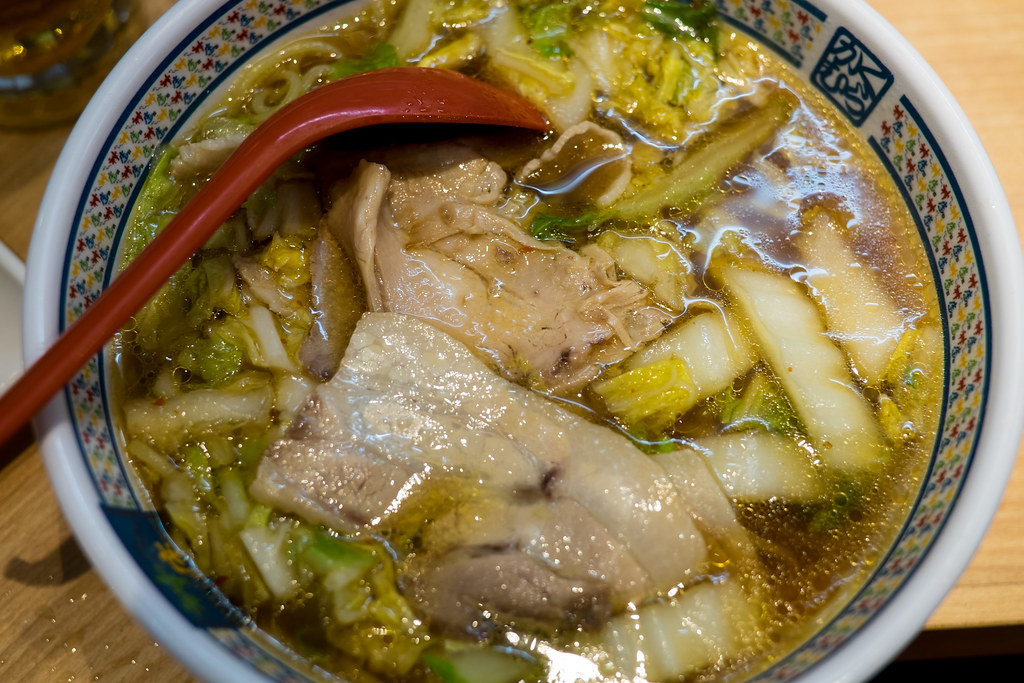
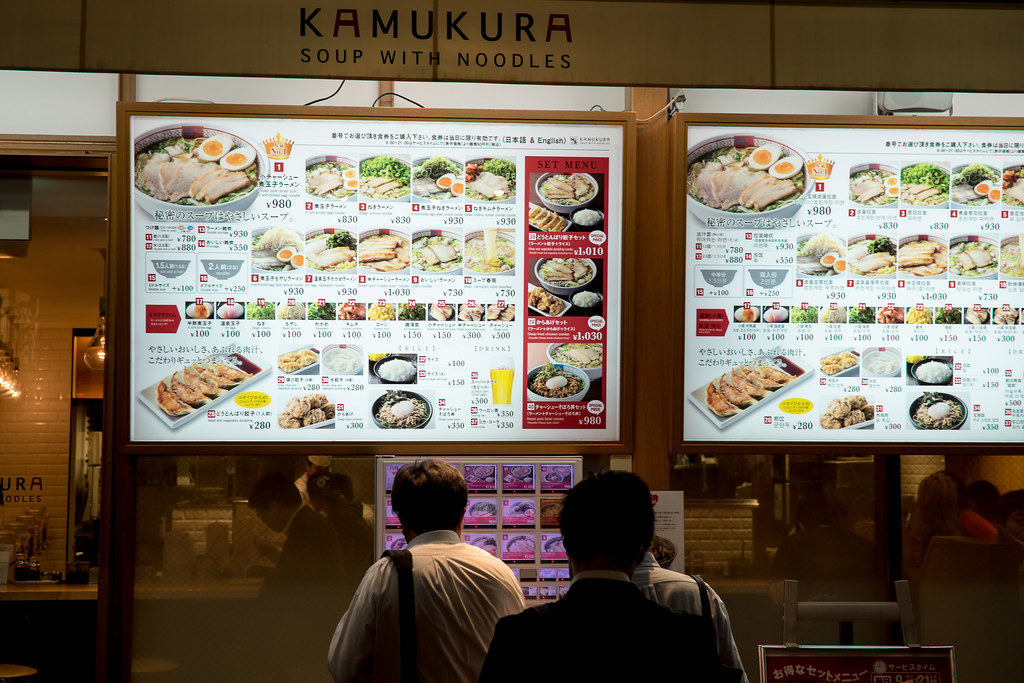
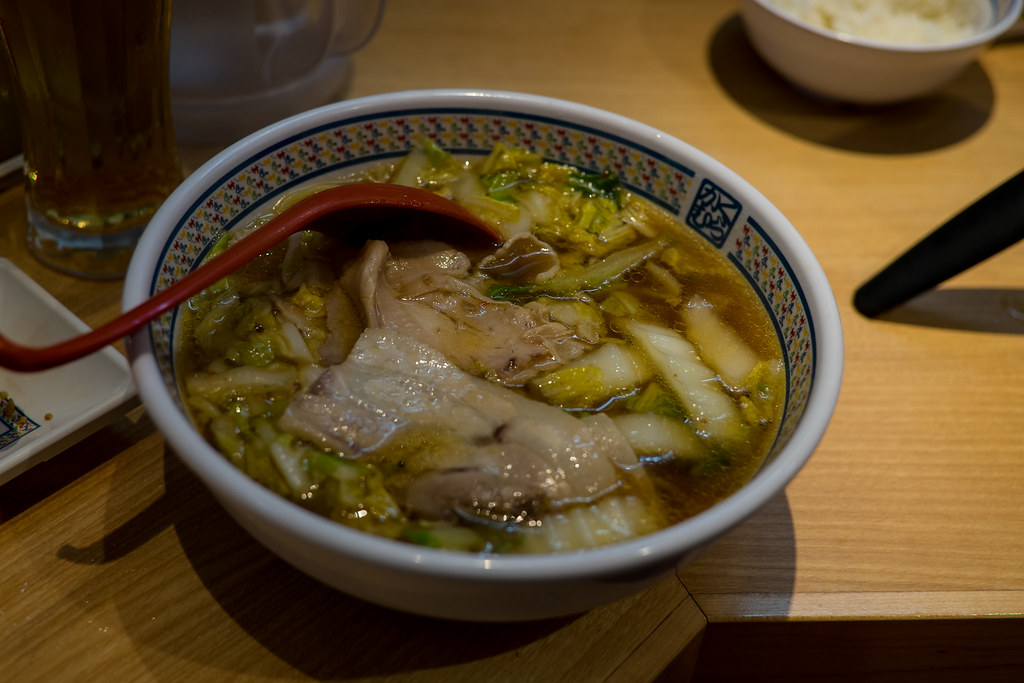
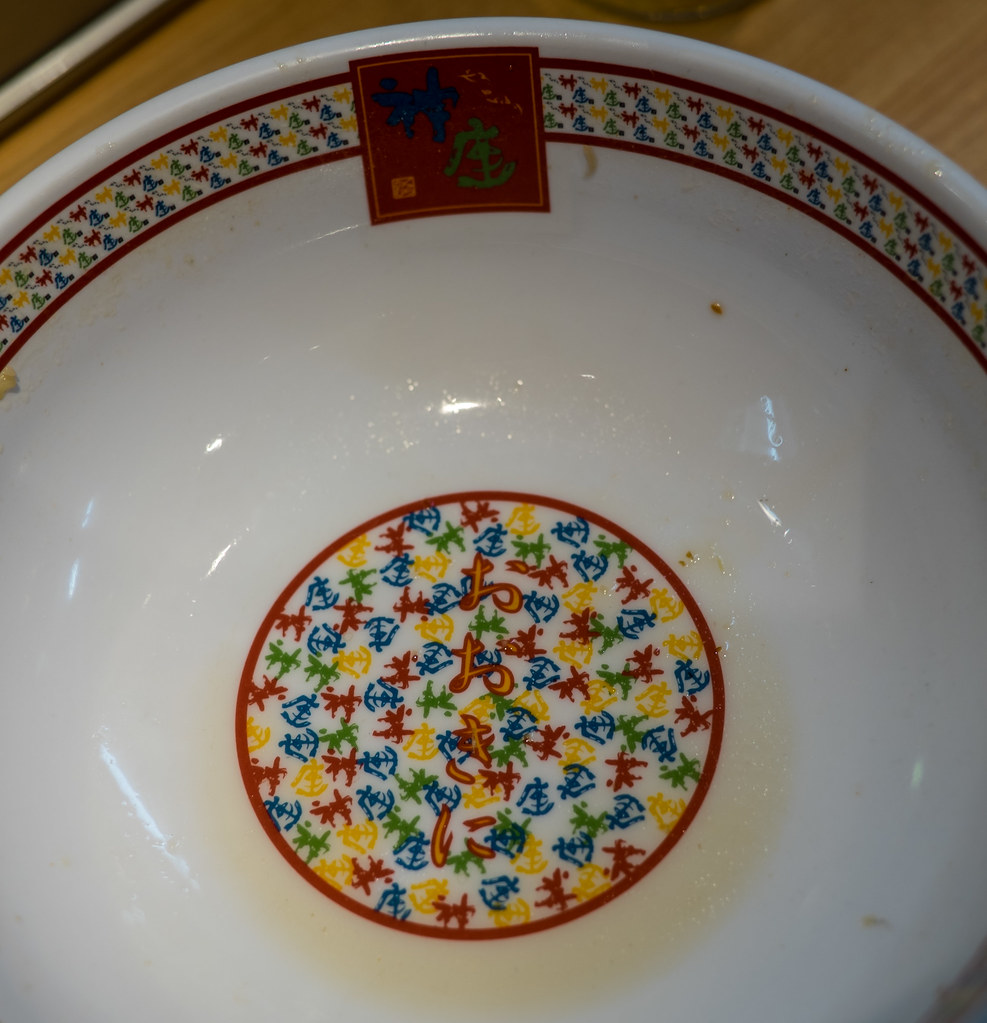
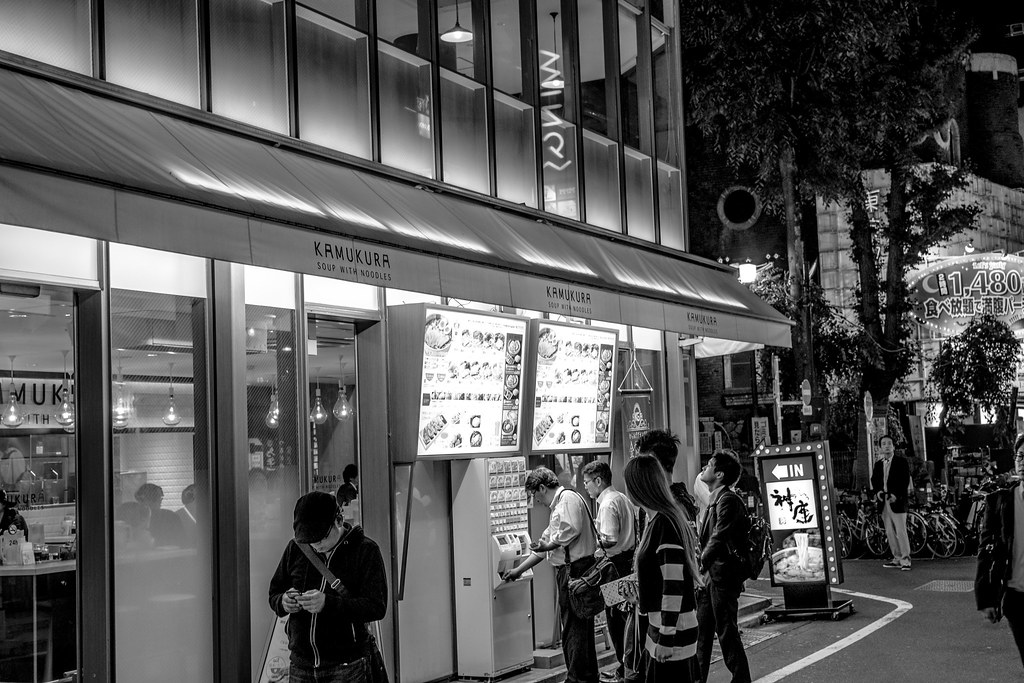
Kamukura is a popular chain hailing out of the Kansai region of Japan. And while Osaka and its surrounding prefectures have over 30 shops, there are only five in Tokyo. Though ramen adventures is weighted towards the smaller ramen shops in Japan, I feel it is my duty to tell which chains make the cut.
Kamukura's soup is quite deep, and fits to a T with the surrounding area. A little saltier, a little more in-your-face, this bowl is my kind of post-drinking ramen.
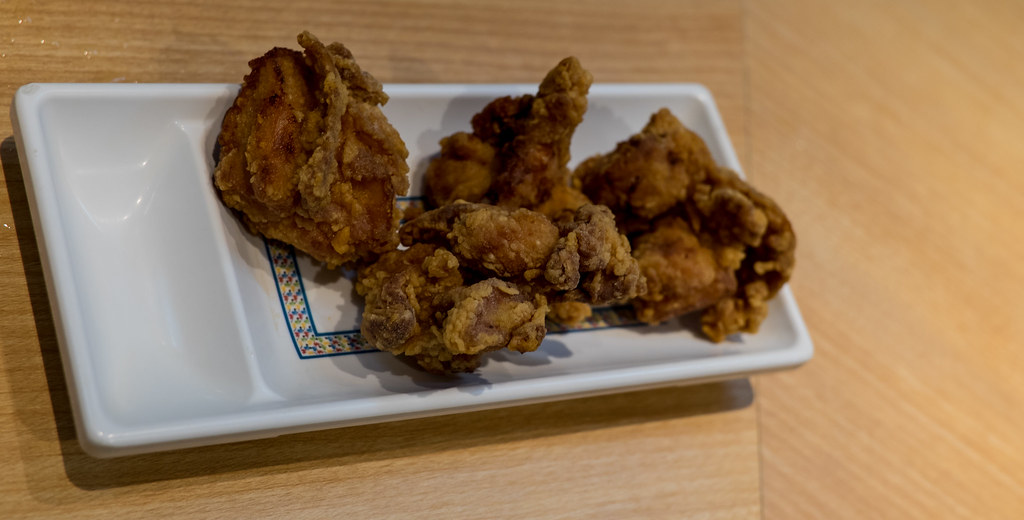
But enough about their ramen. The main reason I stepped in this day was to try their karaage, fried chicken. If you've spent any time in Japan, you'll know how popular boneless fried chicken is. As a street food at festivals, paired with a beer at an izakaya, or in this case, alongside ramen.
Kamukura's fried chicken recently won a gold medal from the Nippon Karaage Kyokai. Yes, there is an official organization for fried chicken in Japan. And, yes, they hold annual competitions to find the best of the best.
Specifically, these babies won a gold in the Central Japan Shoyu Seasoning category for their fried chicken rice bowl.
So how are they?
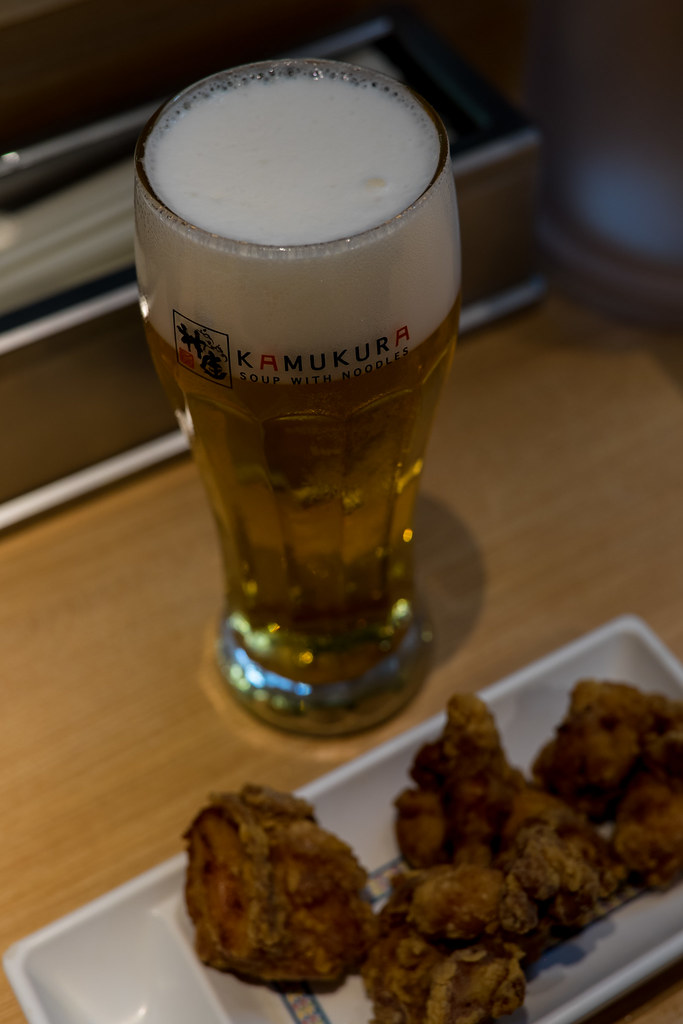
Well, their regular fried chicken goes great with a brew.
And the award winning rice bowl is solid by itself. I was a little surprised that it is only 390 yen. If you aren't in the mood for a whole meal, this has quick snack written all over it.
Otodo. I was first introduced to this bowl during a TV shooting. They were one of the contenders at a tsukemen festival, and my ramen buddy Abram and I were at the height of our tenure with Weekly Playboy magazine. Out Ramem Americans column helped land us a a few gigs, and this was one.
Otodo went on to win a silver prize at that festival, if memory serves me. They've gone on after that to win more and more, and not just for ramen. They won prizes at a rice bowl festival and a gyoza festival to name a few.
Well, I'm back at a different branch of Otodo, this one named Otodo Shokudo. The shokudo in the name means it is more than just ramen. In fact, the menu is so big that only a digital ticket machine would do.
Noodles dishes, rice dishes, and sides. As this is Kasai, out towards rural Chiba, a shop owner can have a bigger shop and not have to worry so much about the bottom line.
Well, as this was a TV shooting, I completely forgot to take my regular photos of the ramen (link to the video is down below). I can say that it is the typical gatsuri style that Otodo is known for. Heavy on the garlic, with a triple meat soup. Chicken, pork, and beef come together not in a refined elegant way, but in an in-your-face meat explosion. Good stuff, though unless you live out in the sticks, head to the Koenji shop for convenience.
As I was checking the accolades, I notices that they had won a gold ribbon for their gyoza. I'm a fan of Japanese-style pot stickers, but I'm rarely blown away. They are either good or bad, and I've never had dumplings that I could really rave about.
Until I had these. Yes, these gyoza are noticeably better than any I've ever had. Rich and juicy, they didn't even need any of the usual soy sauce or vinegar.
The secret? The filling is enhanced with seabura, pork back fat. When they cook, the fat melts, but stays inside. You can probably imagine how they taste.