Monday, February 16, 2015

武蔵坊 (Musashibo in Hiroshima)

汁なし担担麺 武蔵坊

DSCF8983.jpg

My company had me down in Hiroshima for a weekend. Time for another completely random, newly-created, local style ramen boom!

DSCF8981.jpg

In recent years, Hiroshima has seen a boom in 汁なし担担麺. Spicy soupless noodles. Why Hiroshima? I have no idea! They already have their own genre of noodles; spicy Hiroshima tsukemen. Do they really need another?

I don't care. This is one of my favorite styles of noodles. I've gone so far as to spend half a day searching it out in Beijing. By the way, the best of the best in Tokyo is at Lashohan. But I'm getting distracted. With 19 shops on the official shirunashitantanmen map, I had some work cut out for me.

Turns out Sunday is a poor day to go, as half the shops are closed. Randomly, I chose the closest one to the hotel. Musashibo's menu is simple, and the noodles came out quick.

DSCF8984.jpg

If you are a fan of this style, you just know. This one is good. It is so simple; noodles, ground pork, green onions, and spices.

DSCF8982.jpg

And then you see it. Right there on the counter.

DSCF8989.jpg

Three kinds of sansho! This is a good thing. This is a very good thing. It's that spice, often called Chinese numbing pepper, or Sichuan peppercorn, that makes any kind of tantanmen great. Sansho gives a bitter, tongue-numbing kick to anything it touches. Either you love it or hate it. I absolutely love the stuff.

若山椒 - wakasansho - young sansho is strong on the bitter flavors.
赤山椒 - akasansho - red sansho that has a bit of heat to it.
青山椒 - aosansho - green sansho with a strong fragrance and heavy numbing powers.

DSCF8986.jpg

There are rules to this style. Ten of them in fact.

DSCF8990.jpg

1. Add sansho to your liking.
2. Mix it up.
3. Really mix it up.
4. You'd better keep mixing it.
5. Eat it before it gets cold!
6. Throw in some rice with whatever is left in the bowl.
7. Kick it up with any of the counter-top seasonings.
8. Mix, mix, mix.
9. Even if it gets a bit cold, it's still good.
10. Thank you.

DSCF8993.jpg

This one was fantastic.

DSCF8992.jpg

Very close to the Peace Park, a must-visit spot in Hiroshima.

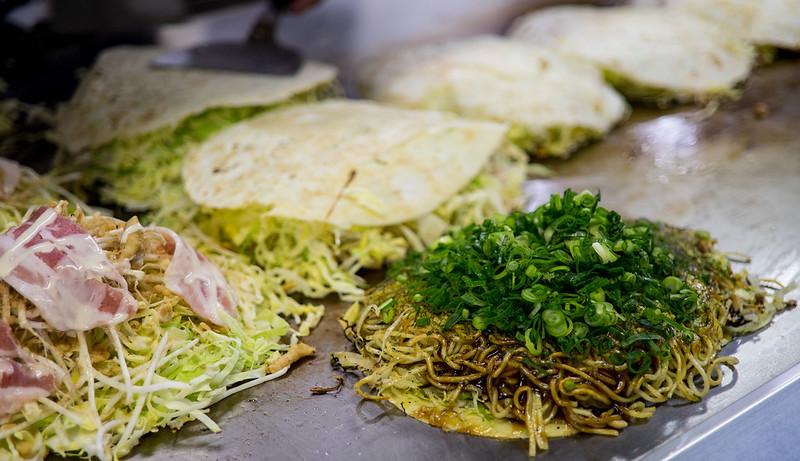
And for anyone who says, "You're crazy! You go all the way to Hiroshima and just eat tantanmen! You're missing out on some famous okonokiyaki!"
DSCF8979.jpg

I ain't missing anything! This is a ramen blog, though.

DSCF8994.jpg

Map of 広島県広島市中区富士見町5-12

広島県広島市中区富士見町5-12
Hiroshima-ken, Hiroshima-shi, Chuo-ku, Fujimicho 5-12
Closest station: Hiroshima (or Chudenmae on the street car)

Open 11:00-15:00, 18:00-24:00
Sundays 11:00-20:00

Thursday, February 12, 2015

ちゃんぽん亭 (Champontei in Hikone, Shiga)

ちゃんぽん亭総本家 彦根駅前本店

DSCF8753.jpg

Holy smokes! I discovered a minor Japanese ramen style that I had no idea existed!

I make it no secret that I am a big ramen nerd, and thusly try and know as much as I can about not just the Tokyo ramen scene, but the fascinating world of local ramen throughout Japan. So when I rolled into Hikone Station, on the banks of Lake Biwa, and saw a famous-in-our-town poster at the station, I was shocked to see something new.

DSCF8745.jpg

Omi champon. I had heard of omigyu, the locally raised cattle with well marbled meat, but had never heard of a locally branded ramen. I had also heard of champon, the famous ramen style from Nagasaki. Gotta grab a bowl.

DSCF8746.jpg

According to the champon wikipedia page, 近江ちゃんぽん dates back to the 90s, when local shop Champontei wanted to expand their brand and become a franchise chain. By creating a local style, they could count on a minor influx of tourism, and things like the previously mentioned train station poster calling them out by name.

Yeah, this one isn't looking to good.

DSCF8752.jpg

But then I dug into it. Omi champon is defined as having a light broth made with konbu seaweed and katsuo fish. Top with a hug pile of crisp vegetables, and give the customer lots of vinegar on the table to hit it with. This bowl was, shockingly, quite good. Although I think the concept of making this a local dish is corny, in the end I recommend it to anyone who is in this area and needs an affordable bowl.

Not worth a huge detour, but Hikone is a quaint little castle town that might be worth a trek for someone living in the Kansai area.

DSCF8748.jpg

Of course, B-list celebrities put on their best faces for the cameras, as always.

Official Site Here

DSCF8744.jpg

Map of 滋賀県彦根市旭町9-6

滋賀県彦根市旭町9-6
Shiga-ken, Hikone-shi, Asahimachi 9-6
Closest station: Hikone

Open 11:00-23:00

Monday, February 9, 2015

KABOちゃん (Kabochan in Komagome)

KABOちゃん

DSCF8735.jpg

We all love Kabo-chan.

DSCF8723.jpg

He was, like myself, all about ラーメン食べ歩き, the fine art of hitting up as many ramen shops as we can. While English-speakers are few and far between (check out the blogroll on the right to see some), there are plenty of Japanese ramen hunters in Japan. Kabo-chan took it to the next level, and took over a tiny shop that was planning on shutting down. That was a few years ago.

DSCF8724.jpg

When Kabo-chan made a special limited bowl of miso one winter, fans were delighted. So much so that the one-month special became a permanent menu item.

DSCF8722.jpg

Flavorful red miso.

DSCF8725.jpg

Sansho. I am a huge fan of Chinese numbing pepper.

DSCF8731.jpg

The noodles are under-cooked, then given a a minute more in the boiling soup.

DSCF8732.jpg

The whole thing is heavily spiced. Almost a curry miso with undertones of Chinese sansho pepper. Very nice.

DSCF8737.jpg

Seems like Kabo-chan kept another limited item on the menu as well. You can, even in the dead of winter, get a bowl of Japanese-style shaved ice. For me, the miso will do just fine.

DSCF8739.jpg


東京都北区西ヶ原1-54-1
Tokyo, Kita-ku, Nishigahara 1-54-1
Closest station: Komagome

Open 11:30-15:00, 17:30-21:00
Closed Wednesdays